We created Sapiyay to ensure that future generations of Indigenous Latinx youth in the US have support, resources, and mentorship in the pathway to higher education. We are the first generation of Kichwa college-graduates in the US, but we will not be the last.
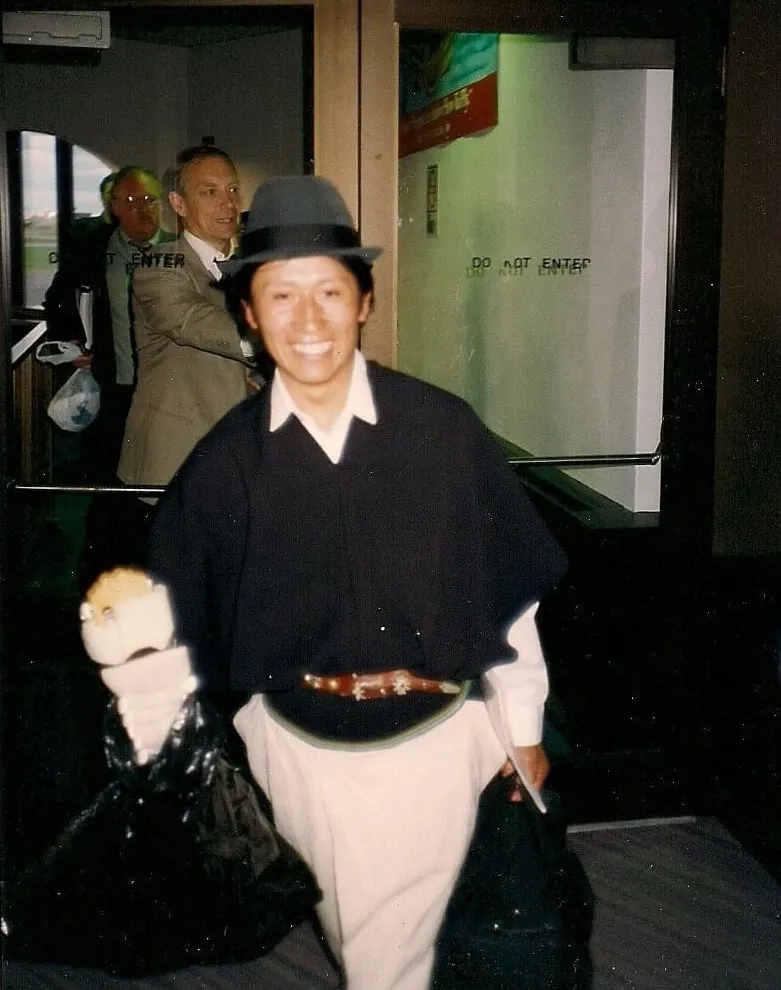

In the early 1990s, the first immigrants from the Ecuadorian Kichwa Saraguro community arrived in the U.S., establishing themselves in New York, Minnesota, and Maryland 1. Among them, were three individuals who arrived in 1993 and 1994, each paving the way for future generations. Two of these members settled on the East Coast—one of them, Amy’s grandfather, was later joined by her grandmother, mother and siblings, and Amy herself as a toddler. The third member, Luis’s father, traveled to Minnesota to pursue graduate studies at the University of Minnesota – Twin Cities. A year later, his mother followed, and shortly after, Luis was born.
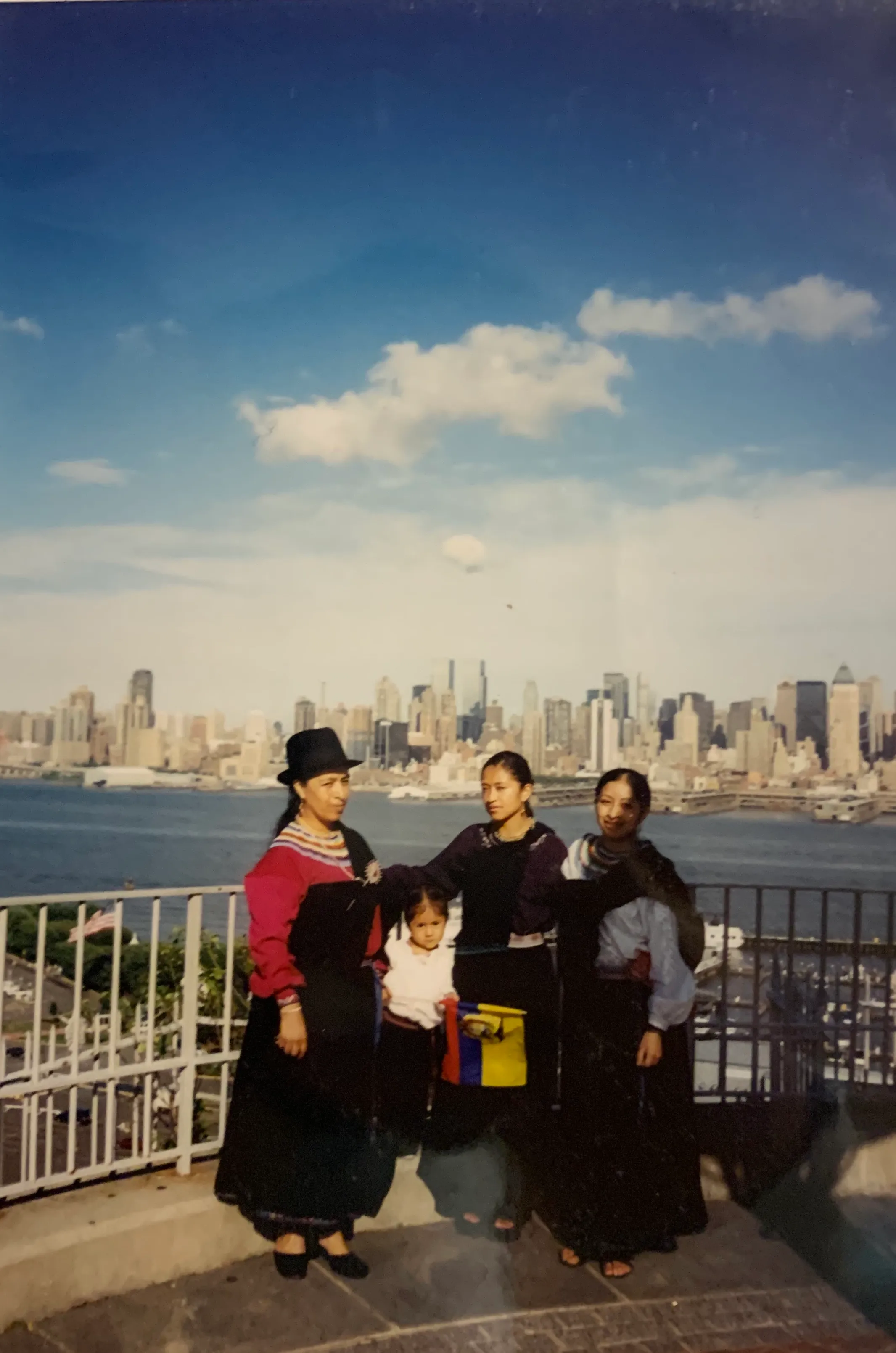
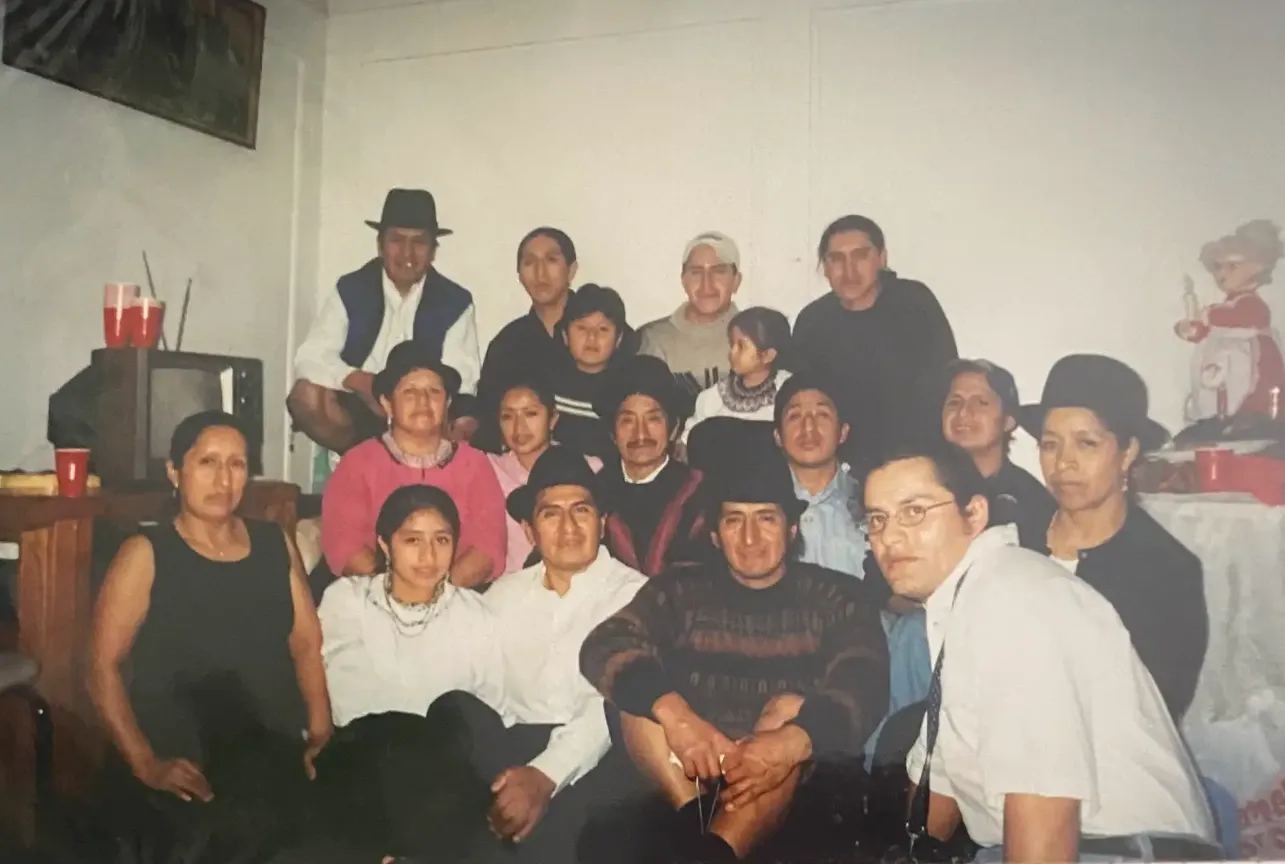
These early arrivals marked the beginning of a growing Kichwa Saraguro presence across the East Coast and Midwest. As the community expanded, so did the desire for spaces where Saraguros could come together, celebrate their shared heritage, and pass down their traditions. In response to this need, Saraguro Residents in the United States of America (SarUSA) was founded in 2014. This organization brought together Kichwa Saraguro people from different regions of the country for an annual celebration of their Indigenous culture, language, and traditional music. SarUSA also established a democratically elected leadership board every two years, responsible for a wide range of initiatives aimed at addressing the needs of the Saraguro community and strengthening relationships with the broader society.
Many of Sapiyay’s founding members were actively involved in SarUSA, particularly in the development of cultural and educational programs for Kichwa youth. Building on this work, in 2024 they came together to form Sapiyay Collective and ensure that future generations of Indigenous Latinx youth in the US have support, resources, and mentorship in the pathway to higher education.
Higher education became a defining characteristic for the Kichwa Saraguro people. Before the 1970s, it was
common for Kichwa Saraguro youth to leave school early to support their families through sustainable
agriculture. However, migration to Ecuador’s major cities and resistance against institutional and
socio-cultural barriers led to the first wave of Kichwa Saraguro students accessing higher education. These
trailblazers went on to become medical and veterinary professionals, lawyers, and politicians.
The early 2000s marked the beginning of a new wave of Kichwa youth pursuing higher education in the U.S. For our
co-founders, Amy and Luis, their educational experiences in both rural and urban settings highlighted the lack
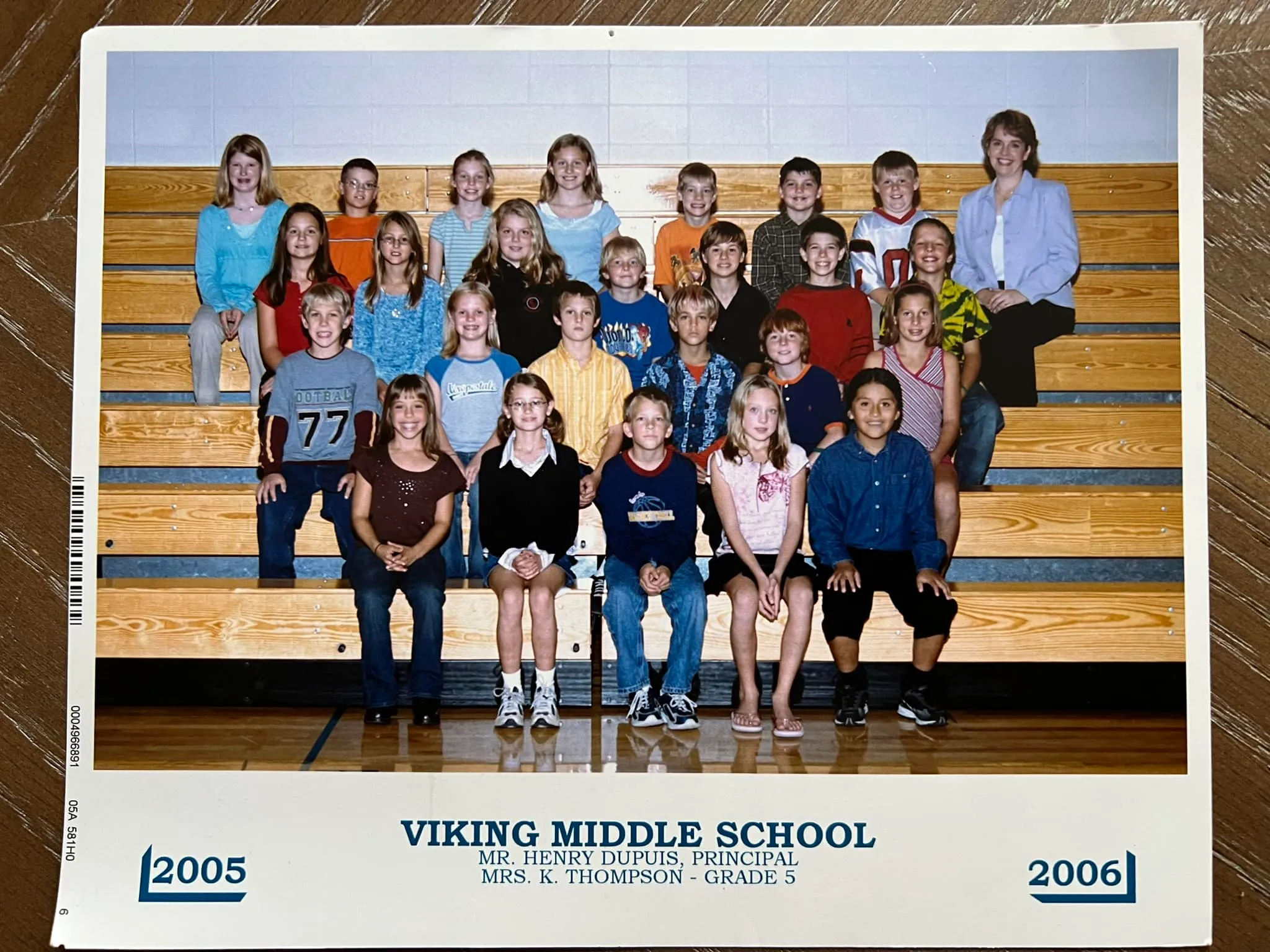
of institutional and societal support for Indigenous Latine students. Luis was one of only three
Latine-identifying students in his elementary school in Northwest Wisconsin and the only Indigenous Latine
student in his school district until fourth grade. Amy had the privilege of assisting an elite private school on
a full scholarship, where she was one of three Latine students in her graduating class.
Growing up outside their homeland presented challenges beyond the classroom. Luis often faced misconceptions
about his identity—his Indigenous language and culture, as well as his long hair were mocked. When he moved to
Menasha, WI, in middle school, he encountered a larger Latine community but still had to constantly explain and
assert his cultural identity—to both his classmates and teachers. While his education in the Wisconsin public
school system provided valuable friendships and academic opportunities, it also underscored the broader lack of
institutional and community awareness of Indigenous Latine identities. These gaps in recognition and
representation shaped not only his school experience but also the way he navigated his community and home life.
Growing up undocumented, from a young age Amy learned to protect herself and her family by hiding their cultural
heritage. The first Trump administration deeply marked her adolescence since the threat of deportation and
hyper-racialization directly impacted her family. She recognized her ability to act as a bridge between her
local community and the private school she attended, becoming an outspoken voice for immigrant advocacy and
mentor for local high achieving Black & Brown youth.
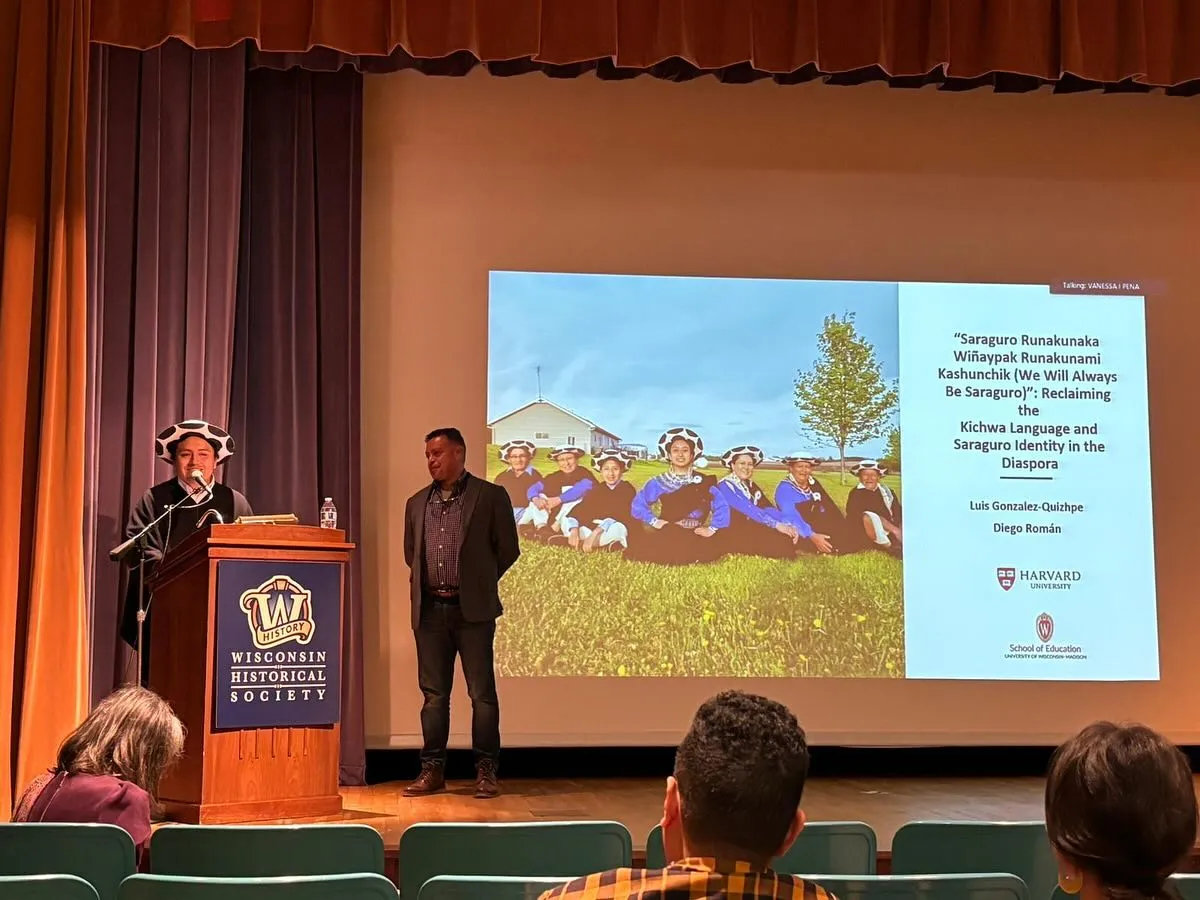
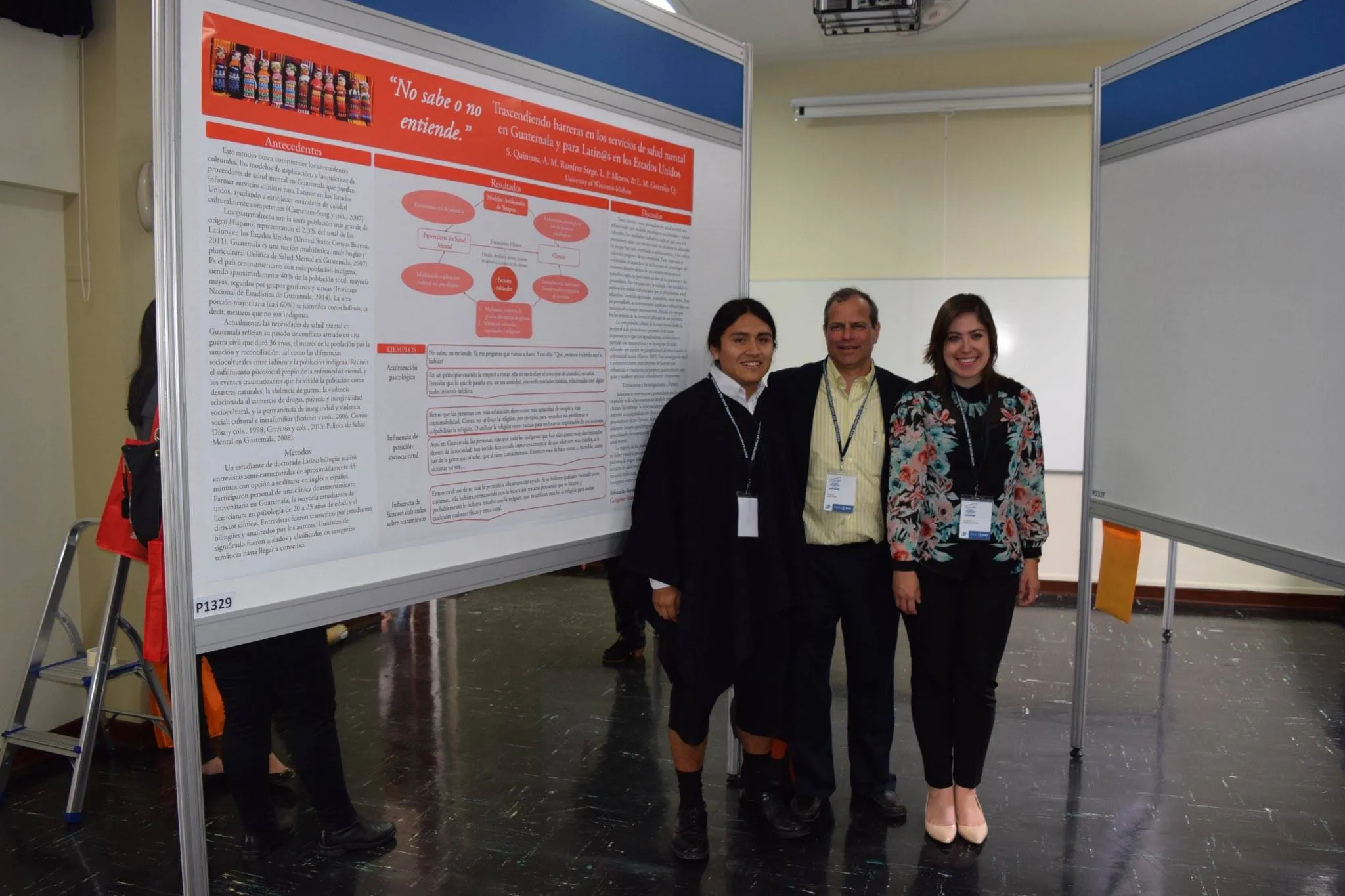
In attending the University of Wisconsin - Madison for his undergraduate studies, Luis was introduced to education research methodologies, focusing on understanding mental health and health practices of Indigenous, Latino communities in Guatemala and Ecuador under Dr. Stephen Quintana. Alongside advisor and mentor, Dr. Diego Román, he was encouraged to build upon his understanding of the impact of migration upon the wellbeing of Indigenous Latine youth and families and focus on education experiences within diasporic settings both in the United States and in Ecuador. His research focused on the lived experiences of Kichwa Saraguro and Kichwa Salasaka communities, in rural and urban settings, and the development of their cultural identity. Seeking to understand further ethnic-racial identity development of youth navigating non-traditional spaces, he attended Harvard upon completing his first master’s degree in Latin American, Caribbean, Iberian Studies at UW-Madison. Under the advising of Dr. Carola Suárez-Orozco, he built upon his interests, focusing on social experiences of migrant-origin youth and families and was also an Immigration Initiative at Harvard Fellow. He would also work under Dr. Adriana Umaña-Taylor in their Adolescent Ethnic-Racial Identity Development (AERID) Lab, researching how practical tools such as the Identity Project Curriculum fosters discussions about race and ethnicity in classroom settings and promotes positive development.
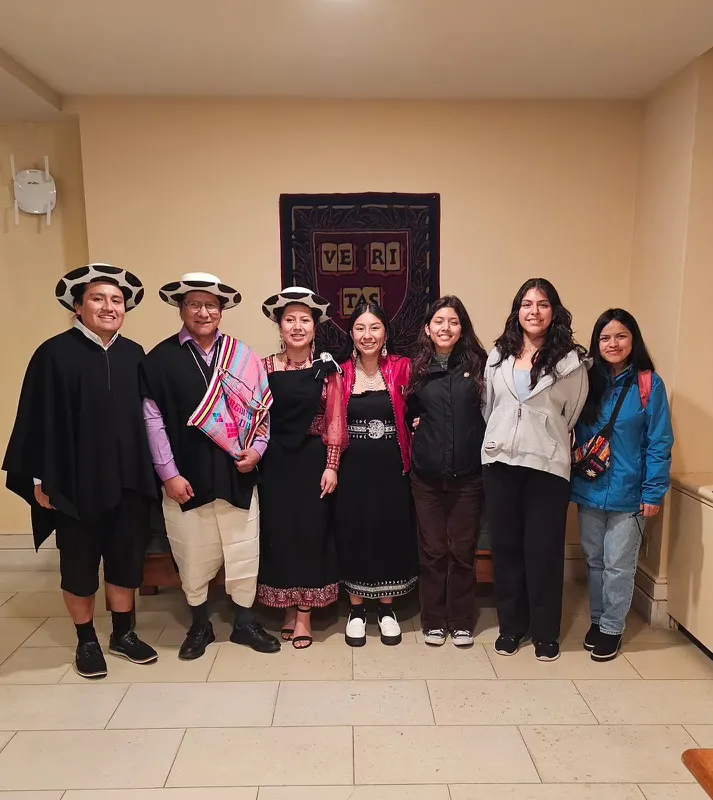
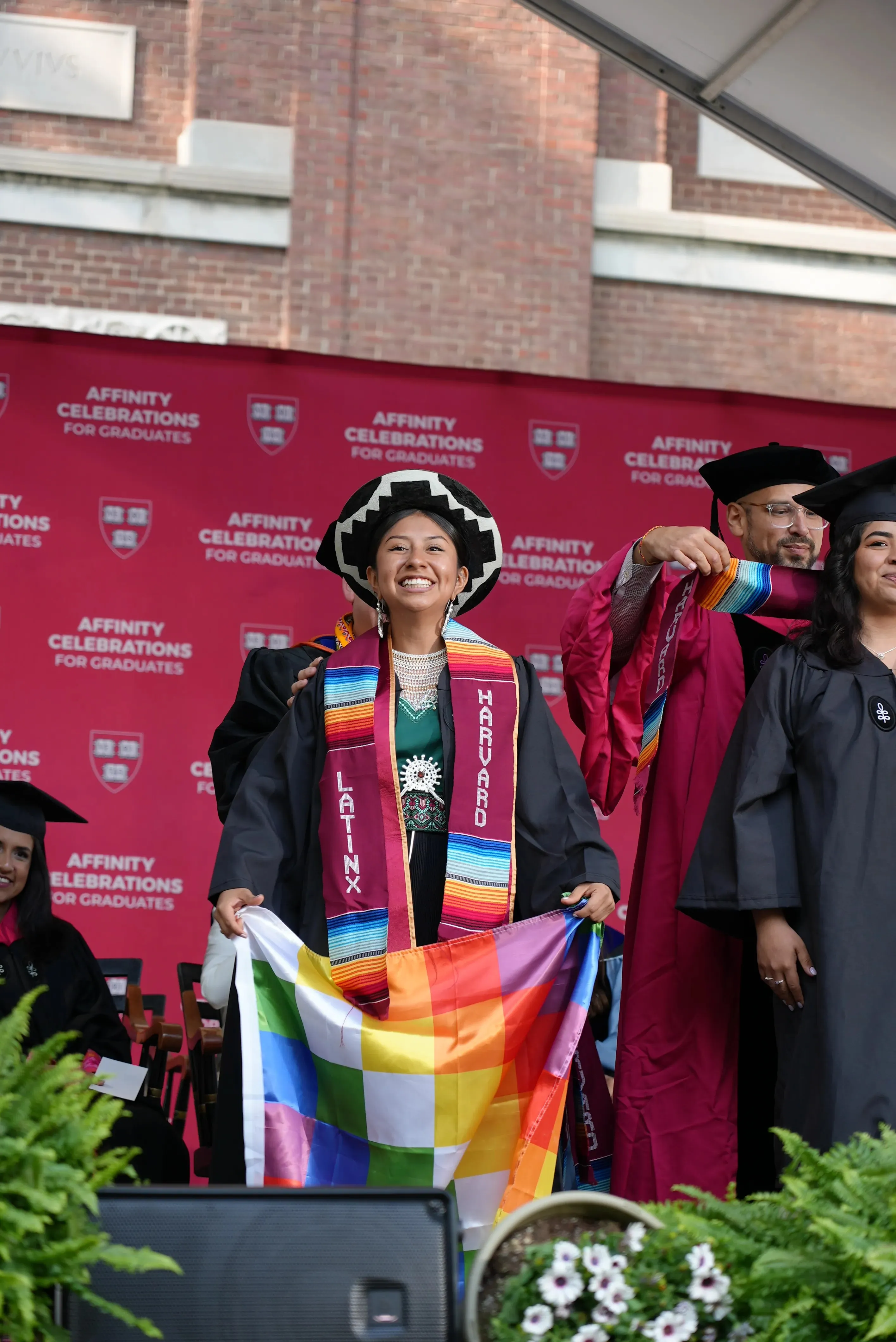
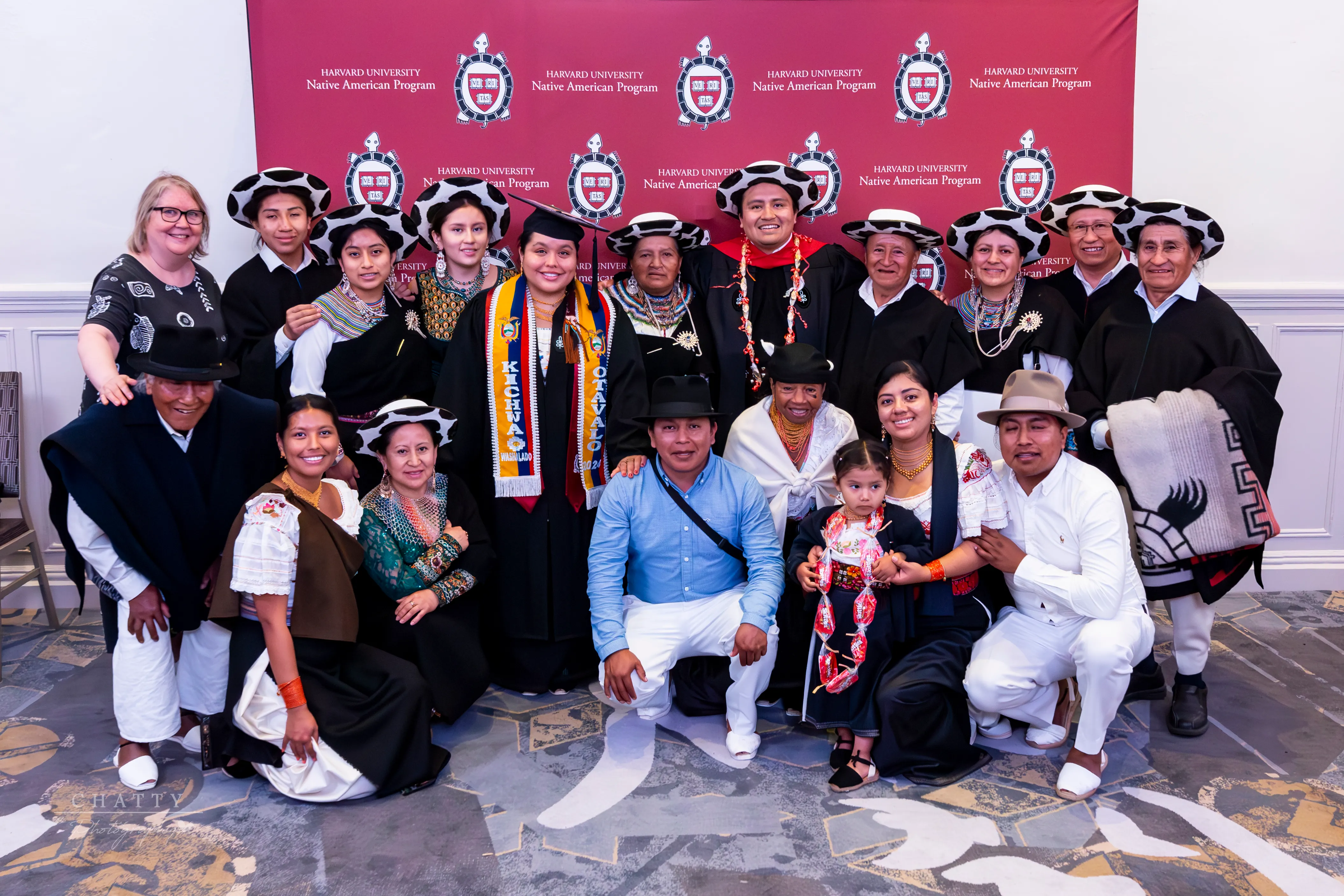
His experience at Harvard was not only beneficial to his academic and professional experience, but he had the
honor to share these experiences at the Graduate School of Education alongside Sapiyay Board Member and Kichwa
Otavalo Thalia Carroll-Cachimuel. Together with Amy, they would be the first Kichwa Saraguro and Kichwa Otavalo
students to graduate from Harvard, becoming part of only five Kichwa Ecuadorian students to have ever graduated
from the Ivy League university.
Similarly, it wasn’t until her undergraduate studies at Harvard that Amy had the opportunity to feel proud of
her cultural identity and make sense of her lived experiences. Although it was difficult to study at a
predominantly white institution, she was grateful to have supportive mentors and communities who encouraged her
to write about her family’s migration story and Indigenous identity. By her senior year, she found her voice in
creating visibility for Indigenous narratives inside and outside the classroom through her role at Harvard’s Act
on a Dream, the Undergraduate Minority Recruitment Program, and Quechua Initiative on Global Indigeneity. Most
importantly, her intellectual curiosity transformed into the power to heal through storytelling for herself and
her family, who saw themselves reflected in her academic growth.
During her fifth semester at Harvard, she made the difficult decision to take a leave of absence from Harvard
(due to mental health struggles) and spend a gap semester in Ecuador. Reconnecting to her homeland, community,
and culture awakened her sense of purpose as an Indigenous, Saraguro woman. Upon returning to the states, she
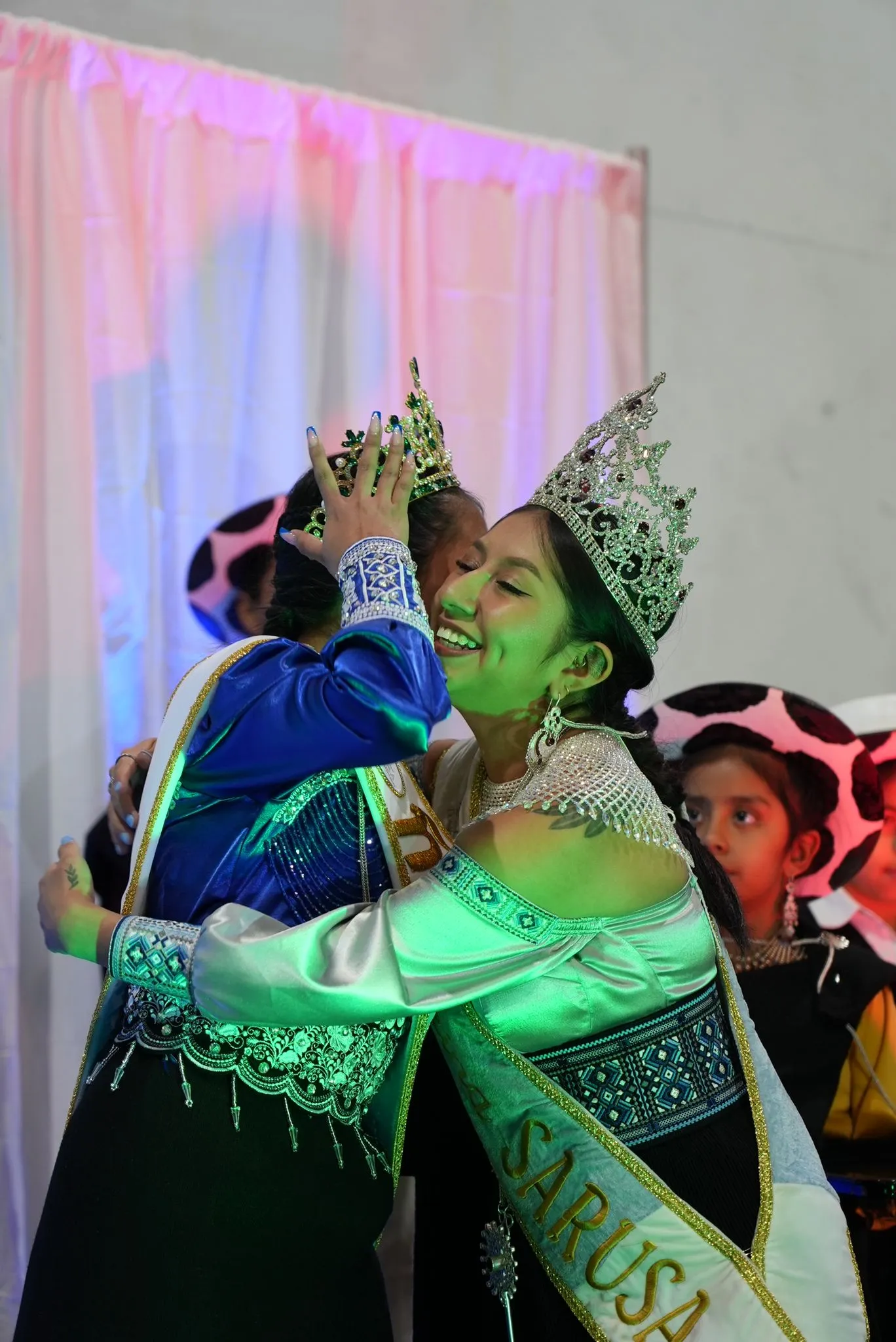
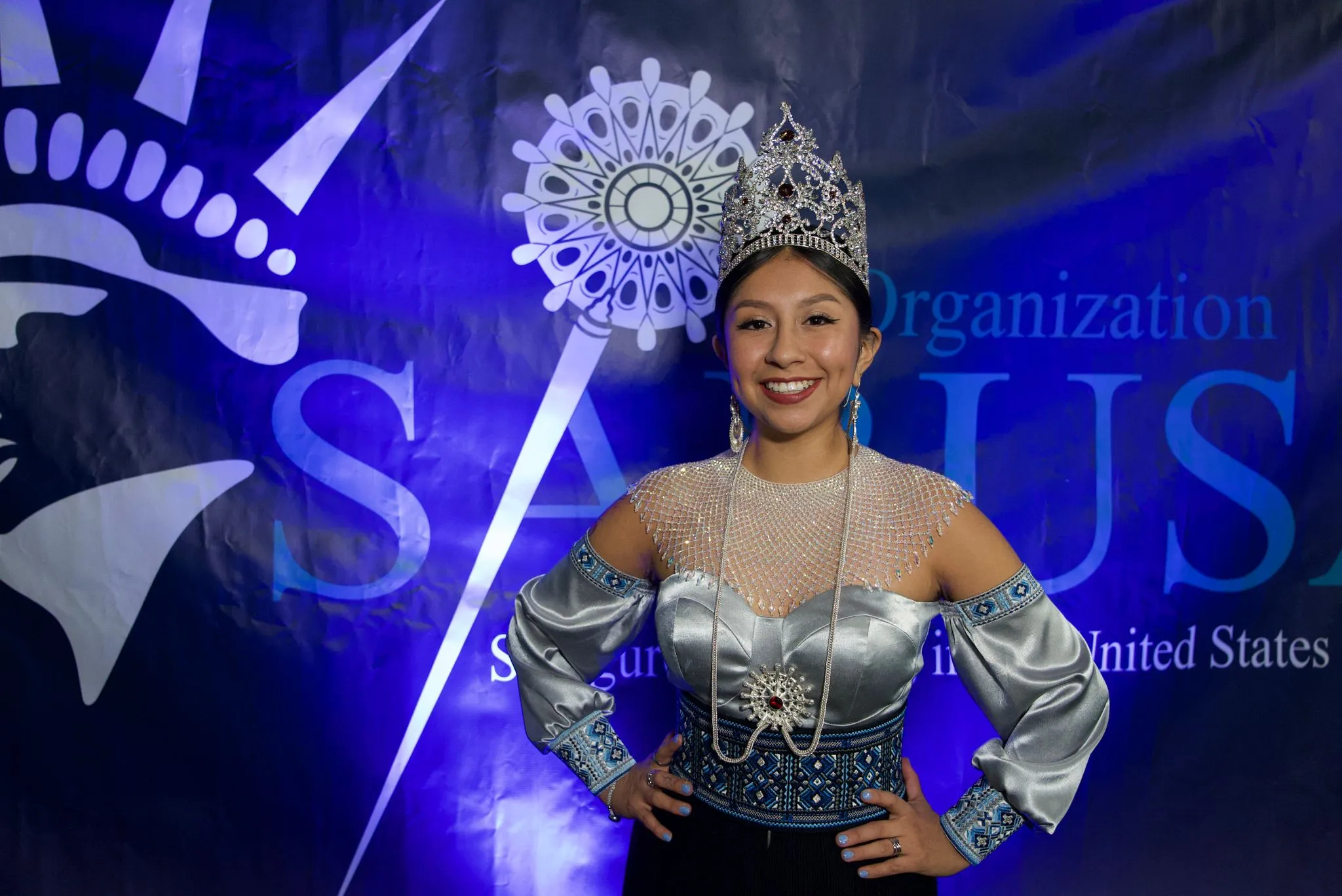
competed in her community’s annual beauty pageant and won. As Reina SarUSA (“Miss SarUSA”) 2022-23, she
dedicated her efforts to mental health and youth wellbeing. She executed various initiatives in Ecuador and New
York such as; skateboarding meet-ups and donation drives to raise awareness about suicide prevention; a 10-week
virtual cultural education workshop; intergenerational gatherings of Saraguro women and youth, and a college
mentorship program for Kichwa youth. Her senior thesis research, a Participatory Action Research (PAR) project
conducted in partnership with Kichwa Saraguro youth, culminated in a national summit of Kichwa Ecuadorian youth
– "Wambra Kapary" (Youth Shout, Grito del Joven in Kichwa) – which took place in August 2023 for International
Youth Day.
As her story and work gained recognition, she received messages of support from Ecuadorians all over the
world who saw themselves in her journey. Although she used to be ashamed of her heritage, her Ecuadorian
Indigenous roots actually helped her find her purpose, passions, and a supportive community.
Amy and Luis understand first-hand that culture is a resource for resilience, wellbeing, and healing. Through Sapiyay Collective, they aspire to bring community workshops, intergenerational dialogue, and educational resources to Kichwa communities throughout the US.
1. Their names are: Segundo Vacacela, Jose Antonio Vacacela, Bolivio Vacacela, Ivan Vacacela, Zoila Sarango, Elena Sarango, Miguel Paqui, Angelina Paqui, Segundo Gonzalez, Clemencia Quizhpe.
Copyright © 2025 Sapiyay Collective